
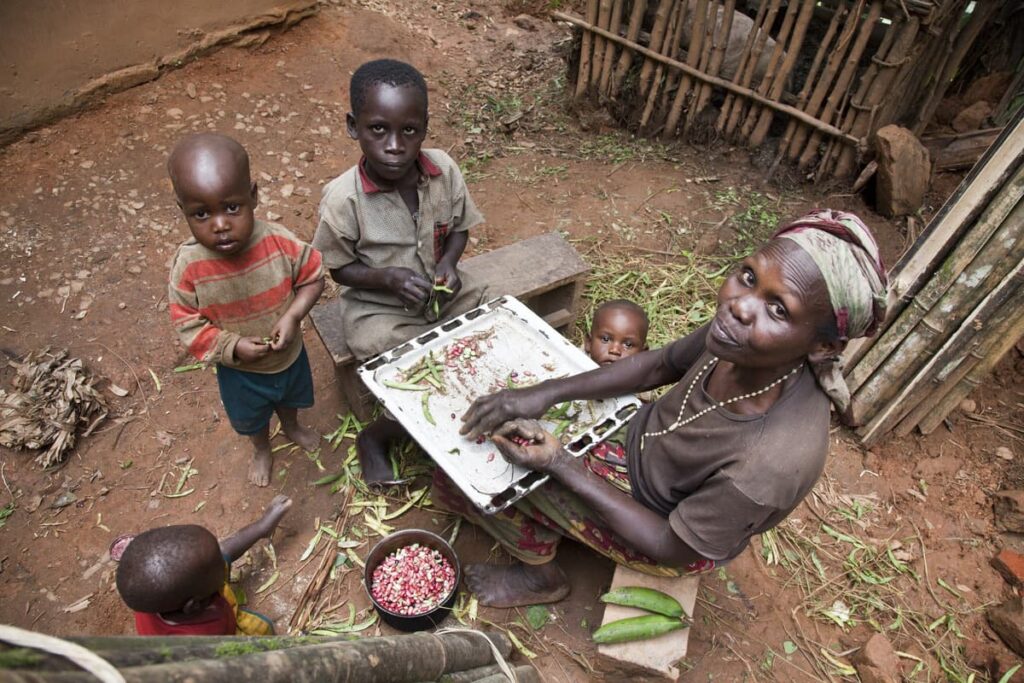
Rural communities in Sri Lanka face persistent economic challenges that trap families in cycles of poverty for generations. Limited access to markets, lack of vocational skills, inadequate capital for small businesses, and dependence on unpredictable agricultural income leave rural families vulnerable to economic shocks. Women and youth particularly struggle to find meaningful employment opportunities, often forced to migrate to cities for low-wage work that separates families and erodes traditional community structures. Without intervention and support, these communities remain marginalized, unable to leverage their potential and improve their quality of life.
The Rural Livelihood Development Project empowers communities through comprehensive skills training, microenterprise development, and sustainable income generation initiatives. We conduct community assessments to identify local resources, market opportunities, and individual talents. Our program offers vocational training in areas such as tailoring, carpentry, food processing, livestock rearing, organic farming, handicrafts, and small-scale manufacturing. Participants receive not only technical skills but also business management training, financial literacy education, and mentorship support. We facilitate access to microloans and startup capital, help establish savings groups, and connect producers with markets and supply chains, ensuring long-term economic sustainability.
Since inception, our livelihood program has supported over 400 individuals across 25 rural villages. Success stories include women’s cooperatives producing value-added food products, youth-led carpentry workshops supplying furniture to local markets, and farmer collectives practicing organic agriculture with premium market access. Participants report income increases of 50-200%, enabling them to invest in their children’s education, improve housing conditions, and build financial security. Beyond economic benefits, we observe increased self-confidence, stronger community bonds, and active participation in local governance. The program particularly prioritizes women and marginalized groups, promoting inclusive economic development that benefits entire communities.